Sanne Visser: How human hair is being recycled to provide social and environmental benefits to a local London community

Sanne Visser’s PhD explores an unusual question: can human hair become a useful resource instead of waste? Her research shows that it can. She and her collaborators have found creative ways to reuse hair – from fertilisers and textiles to construction materials. Alongside this, her work is helping local communities rethink waste and shift toward sustainable practices.
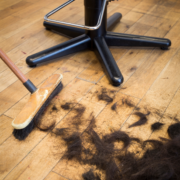
Sanne first studied Lifestyle and Design in Rotterdam, where she developed an interest in creating new materials through both design and environmental perspectives. She later completed a Master’s in Material Futures at Central Saint Martins in London. There, she became fascinated by the sheer volume of hair discarded every day and its surprising qualities as a material. This curiosity sparked a research project that continued after graduation, leading to exhibitions at international museums and the creation of her own studio, where she showcases her work and runs public workshops.
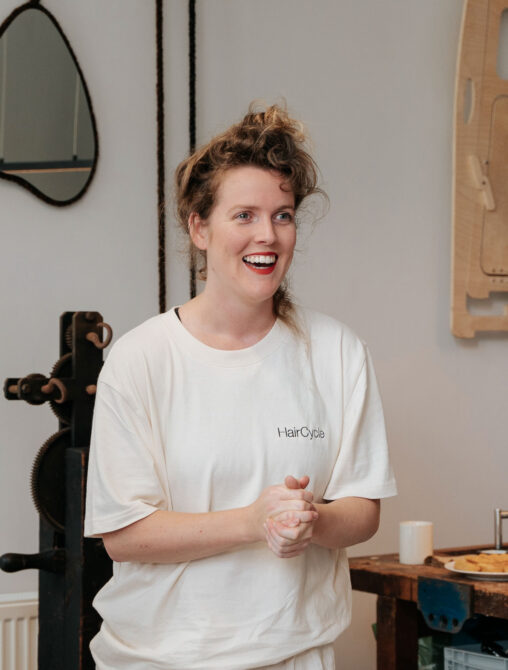
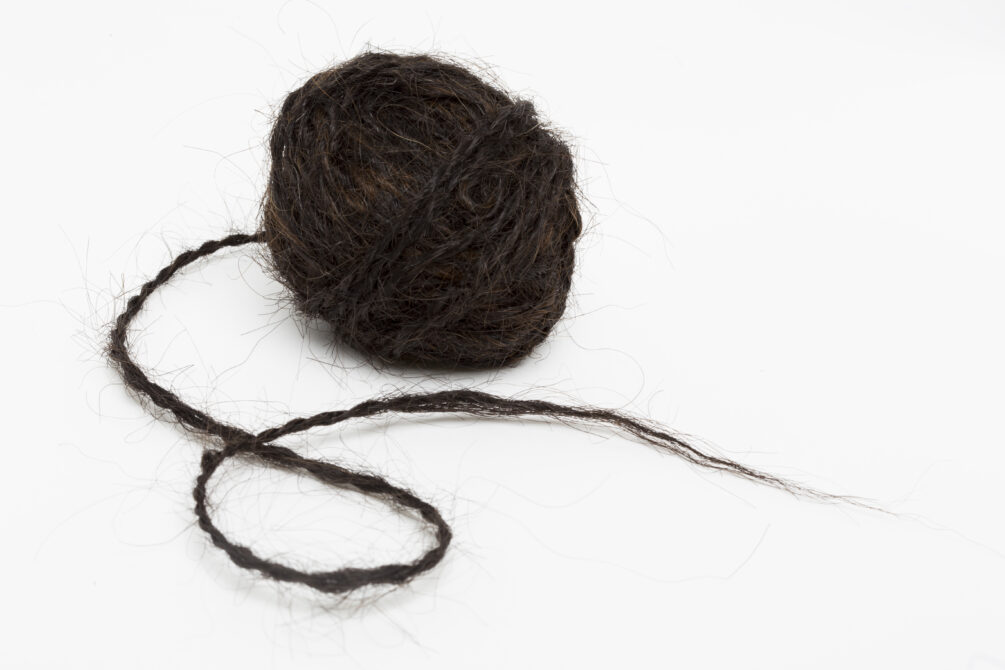
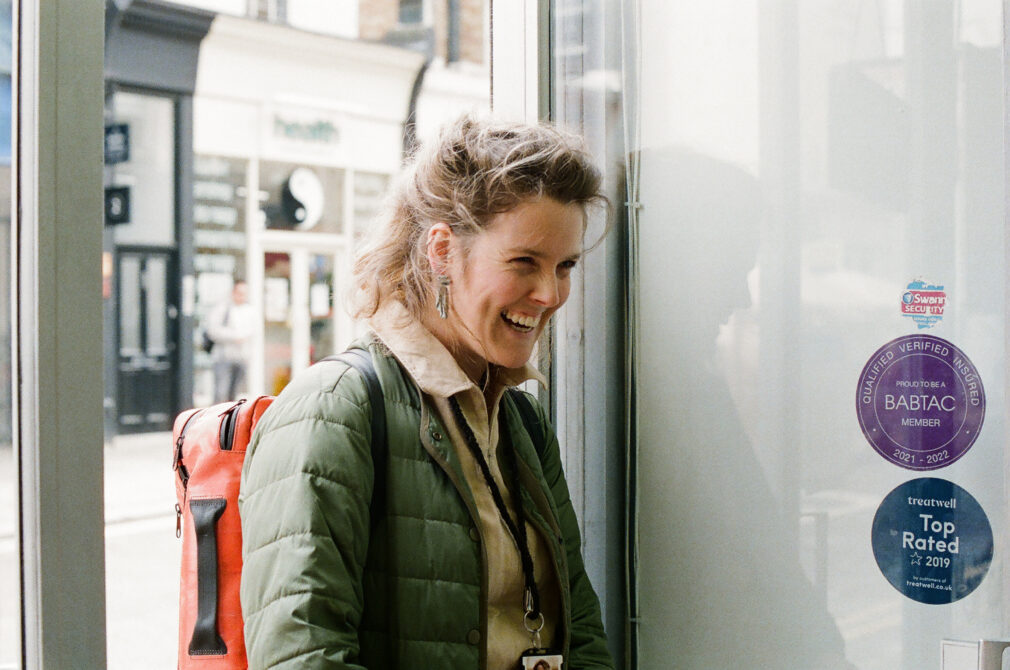
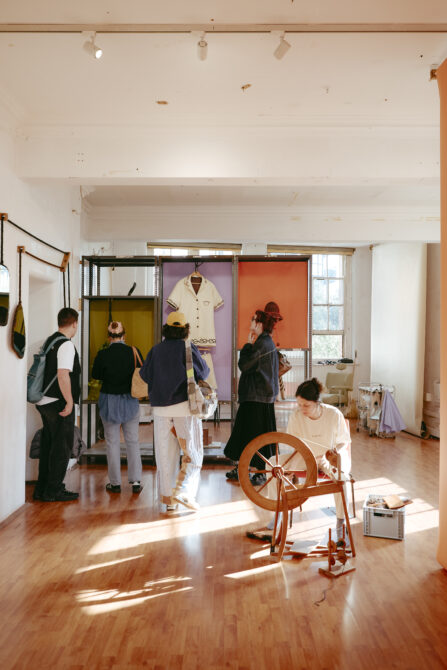
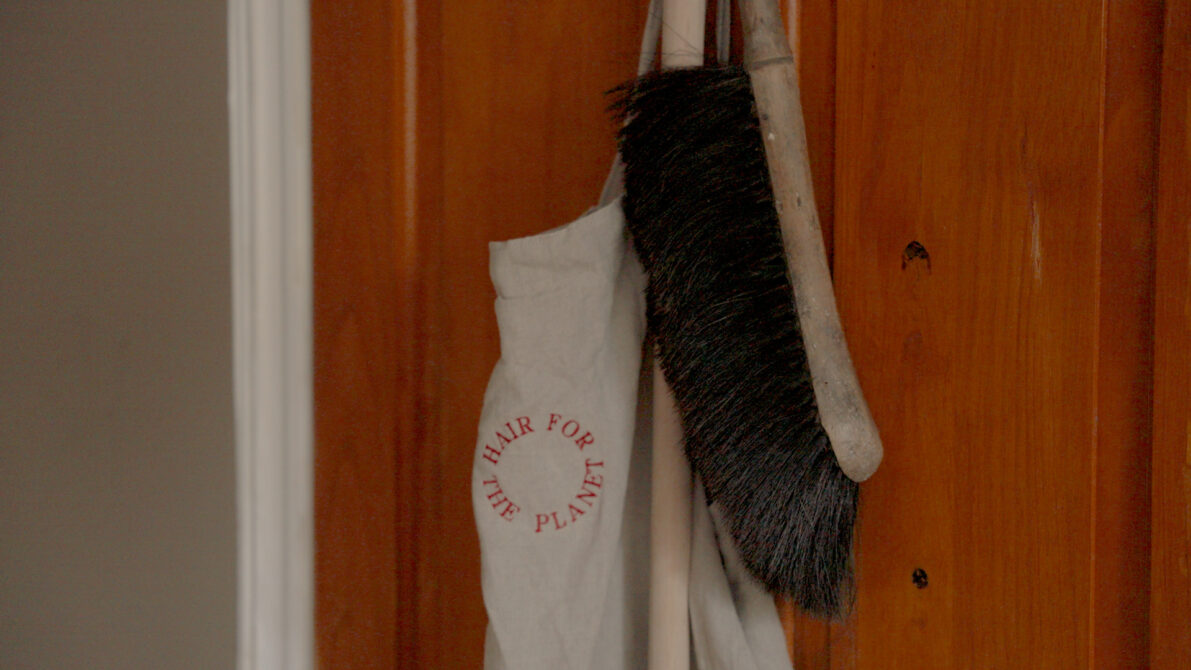
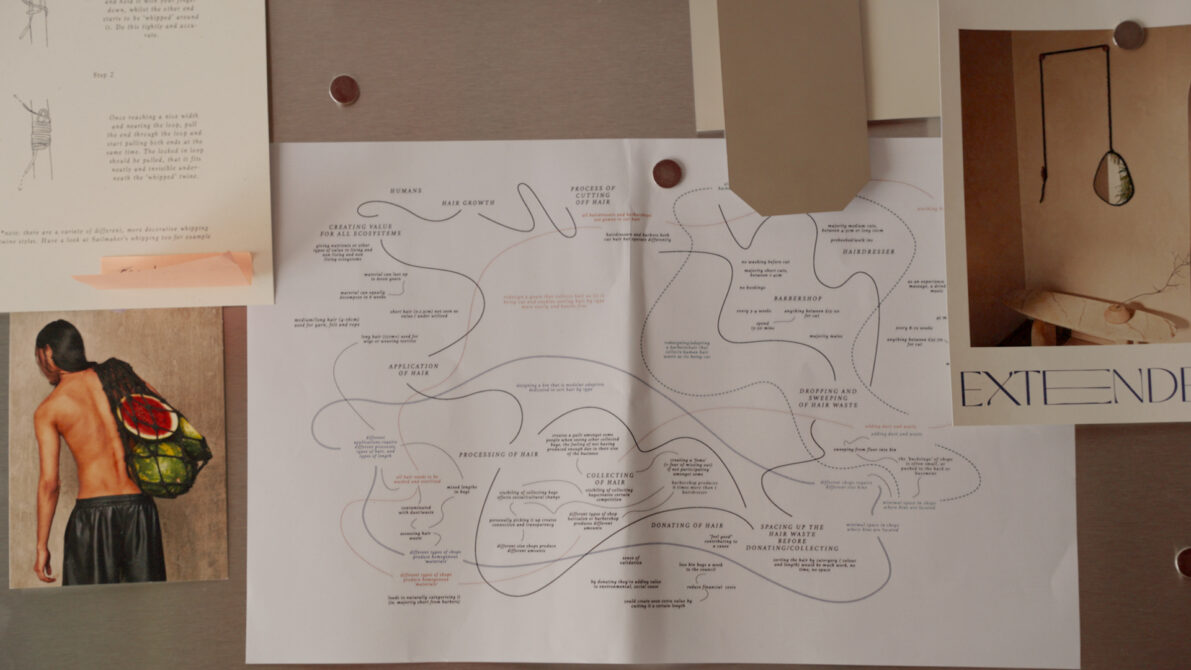
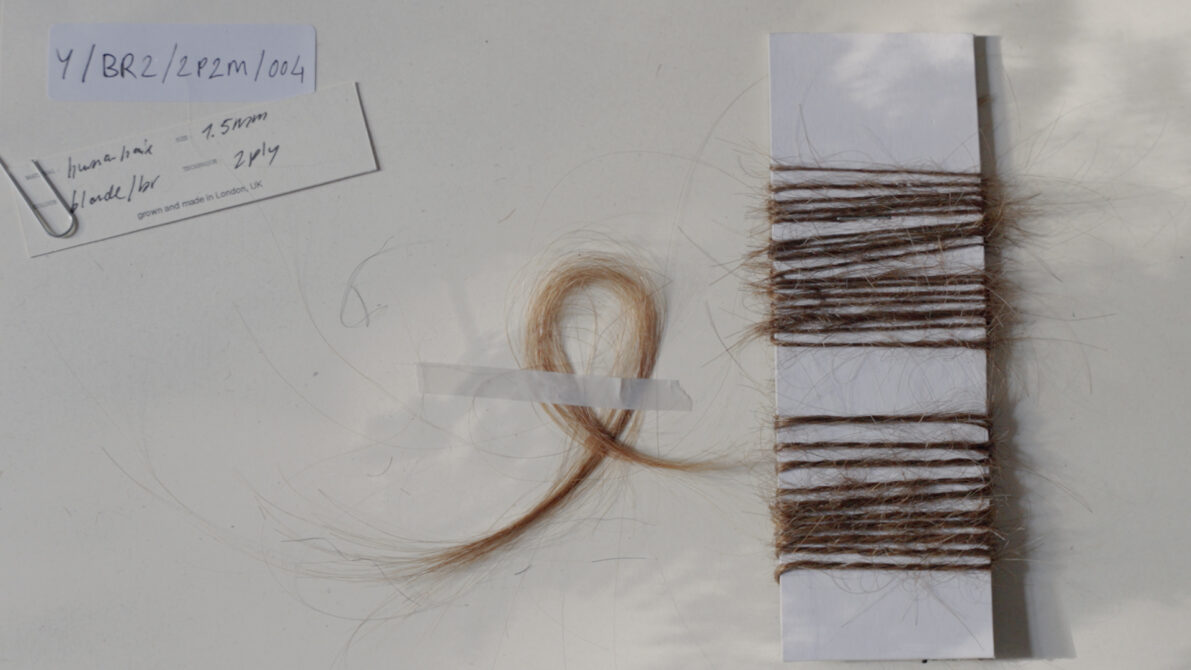
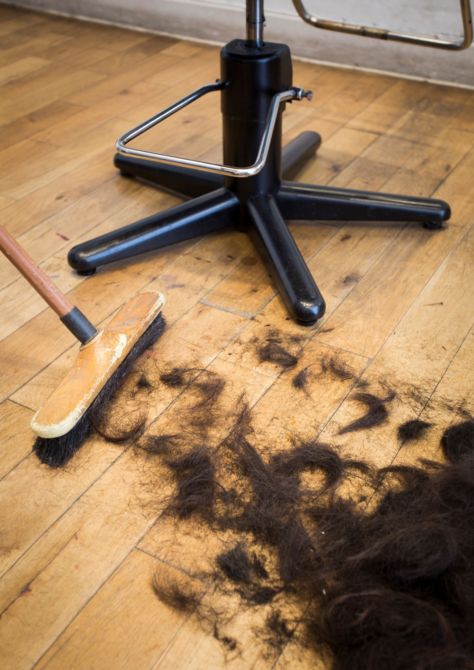
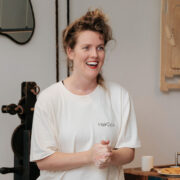

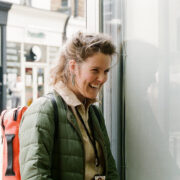
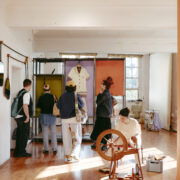
Helping the community one strand at a time…
Sanne began her PhD at the University of the Arts London by investigating whether human hair could become a circular and regenerative material. Since then, she has built a wide network of collaborators. Local hairdressers and barbers collect waste hair for her; chemists help transform it into new materials such as biodegradable plastics; and anthropologists offer insight into how hair has been valued and used across cultures. These partnerships shape both her research and the products developed by her team.
One exciting collaboration was Sanne’s participation in the Design Researcher in Residence programme at the Design Museum. This opportunity enabled her to explore hair as a sustainable material while showcasing the innovative creations emerging from her work. The museum acted as a catalyst for the research, providing space and resources to support experimentation, contributing to the green transition, and generating public interest through its exhibitions.
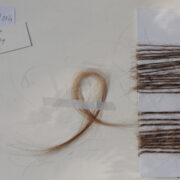
Although her PhD is still ongoing, its impact is already visible through the company she founded, HairCycle. Established in collaboration with the London Borough of Newham, the initiative brings together salons, researchers and community groups to manage the journey of hair from cuttings to practical use. One example is felted hair mats used in community allotments, which help retain moisture and prevent soil erosion. The project also tracks the social, economic and environmental benefits of these products, showing how they can strengthen local communities. Sanne emphasises that working beyond academia is essential, as collaborators bring practical knowledge and skills that research alone cannot provide.
Driven by a passion for working with people from different backgrounds, Sanne adapts her communication style to build trust with each group she partners with.
Understanding what motivates collaborators – and what barriers they face – helps create relationships where everyone has a voice. This approach ensures that research leads to real-world benefits. With ambition for HairCycle to become a self-sustaining model, Sanne’s work demonstrates how community-led solutions can turn waste into opportunity and deliver meaningful environmental change.

Sanne's top tips
- Never underestimate anyone’s intelligence; adapt your language to find a common way of understanding each other.
- Keep an open mind and be curious.
- Persevere and don’t give up – an immediate no doesn’t immediately mean no forever!
Fast facts:
What sparked your initial non-academic connections?
- Necessity. I needed hair for my MA research project, which meant getting out there and approaching hairdressers or barbers for short, high volume waste. Later in my PhD, collaboration across disciplines was also required to fill my own knowledge gaps.
Did you have support from the university?
- My supervisor taught me a lot about being inclusive within complex collaborations.
How did you formalise the relationship?
- This depends on the relationship. For example, a local authority requires more paperwork to settle on a formal agreement, whereas with hairdressers and barbers it’s less complicated, but agreements were still necessary to ensure everyone understood their contribution as well as how they would benefit.
How were your collaborations funded?
- The Residency with the Design Museum was funded by AHRC as part of the Future Observatory national programme.
- The HairCycle pilot was funded by AHRC as part of the Design Exchange Partnership, part of Future Observatory.
- The PhD is partly funded by the AHRC.
“It’s important to understand what motivates collaborators – and what barriers they face. I adapt my communication style to build trust with each group I partner with.”