Dr Sarah Gooding: how an industry fellowship paved the way for new personalised cancer therapies
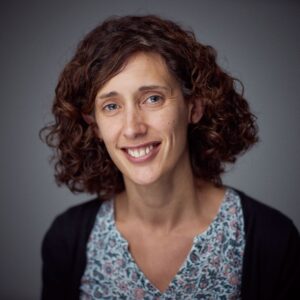 Dr Sarah Gooding’s experience as a clinician, researcher, and industry collaborator has equipped her with the skills to accelerate progress in drug development for cancer treatment. Sarah’s research aims to better understand why the bone marrow cancer multiple myeloma remains incurable. She uses genetic testing to identify patients that are at high risk of drug resistance so that treatment can be personalised.
Having completed the Oxford-BMS Translational Fellowship Programme, she is now the translational lead for the UK Myeloma Research Alliance, helping design and deliver clinical trials to improve treatments for patients with multiple myeloma. Through the Alliance, Sarah runs a network that connects researchers with potential collaborators, which may include pharmaceutical companies, creating the industry-research collaborations that propel developments in cancer research.
Motivated by pushing progress and improving patients’ lives, one of Sarah’s recent projects involves a new way of genetically testing the bone marrow of people with myeloma. This enables specific risks of the disease to be identified and treatment plans to be personalised. Soon to be rolled out across the NHS, Sarah attributes her involvement in the project to her industry fellowship.
‘No matter what sort of medicine we do, we all want to benefit patients; industry collaborations help to bridge the gap between research and impact.’ Dr Sarah Gooding, Clinician Scientist, University of Oxford
Sarah's top tips
- Ensure the company you’re working with will allow you to publish your research.
- Ask colleagues and people you know for introductions, use your connections – you never know unless you ask!
- Don’t be intimidated, go in with your head held high.
“It’s incredibly satisfying to have taken a new approach from basic science, through translation with industry partners, all the way to the clinic. It means I can sit with a patient and tell them that their cancer has a genetic mutation, and they will therefore benefit from treatment tailored in a particular way.”
Fast facts:
What sparked your initial connections?
- I undertook the Oxford-BMS Translational Fellowship Programme (at the time, Celgene), which funded my post-doc and introduced me to people from the pharmaceutical industry.
Did you have support from the university?
- Both my PhD supervisor and my mentor during the fellowship were extremely helpful- in connecting me with others in the field, encouraging me to pitch my ideas, and building my confidence when networking.
How did you formalise the relationships?
- Securing Material Transfer Agreements (MTAs) is important for protecting intellectual property rights when the partnership involves sharing tangible research materials.
How were your collaborations funded?
- My PhD was funded by the Wellcome Trust, my post-doc was part of the BMS fellowship, and I am now funded by Cancer Research UK.