Dr Laura Evis: Applying forensic solutions to industry problems
From analysing electrical items to pinpoint the cause of fires to helping border control identify the smuggled eggs of endangered birds, a university consultancy is making diverse and real-world impact in collaboration with UK emergency services and industry partners.
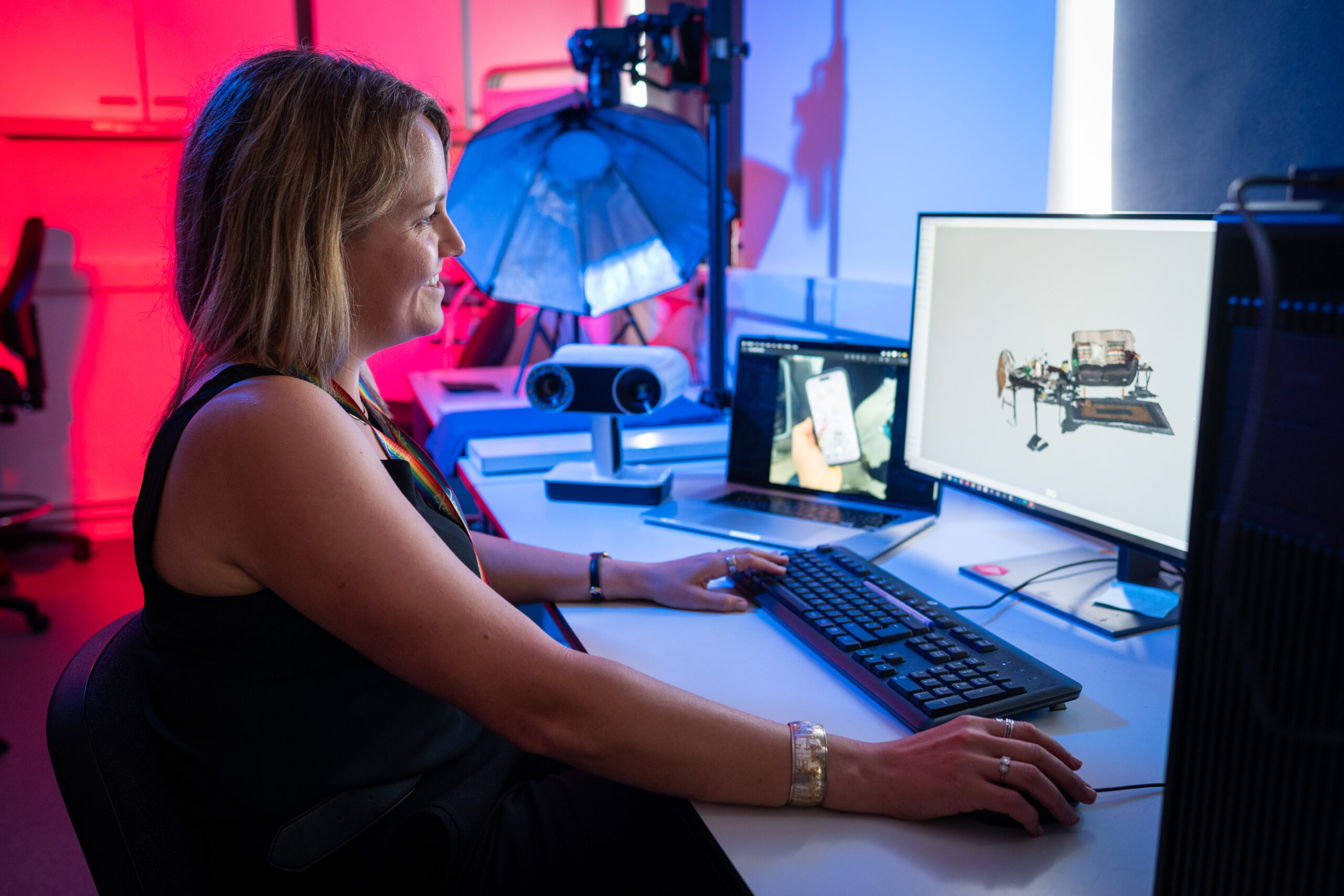
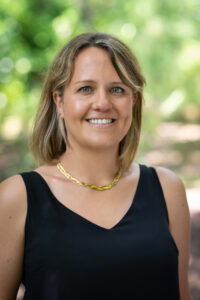
Dr Laura Evis is a forensic bioarchaeologist based in the University of Exeter’s Department of Archaeology and History, who spearheaded the vision for a consultancy based in the department: ApEx Forensics. She works as part of a specialist team partnering with industry to solve real-world problems through targeted, application-driven research. Their work is based in the SHArD 3D Laboratory, an AHRC-funded digital imaging facility specialising in the capture and analysis of 3D data.

Throughout her career, Laura has actively engaged with practitioners, focusing on the development and testing of forensic methods. To align academia and practice, she established a research group to connect external partners with academic expertise. Through this, she identified a gap: practitioners faced complex challenges, and the university had the expertise and facilities to help solve them, but there was no clear route to collaborate. A conversation with Exeter Innovation changed everything. Laura shared her ideas for bridging research and practice, laying the groundwork for the development of the university’s forensic consultancy, ApEx Forensics, and the SHArD 3D Laboratory’s forensic research.
Laura's top tips
- Learn to translate your academic research into a language that anyone will understand.
- Have confidence in your ideas; if you feel it’s worth pursuing, it almost certainly is.
- If you don’t know – ask for help!
One flagship collaboration is with the fire and rescue service. The partnership began when a fire investigator asked whether the digital radiography equipment in the SHArD 3D Laboratory could be used to examine fire-damaged plug adaptors to determine if they had caused a fire.

An initial test case highlighted the clear benefits of non-destructive digital radiographic examination. It allowed responders to rapidly identify areas of interest and visualise defects that are undetectable through surface inspection. The production of 2D and 3D models also facilitated evidence preservation, presentation, re-examination, and archiving. Building on these findings, research is ongoing, exploring how these non-destructive techniques can aid in fault identification in electrical equipment to improve investigative accuracy and help prevent future incidents. Laura and Carly have also published policy briefs based on their findings, including ‘Digital Radiography in Forensic Investigations of Fire-Damaged Electrical Equipment’.
This example represents only a fraction of the team’s collaborations. No two years look the same: new partners, unexpected problems, and innovative solutions emerge from conversations with organisations seeking answers.

“Our work isn’t just about the research; it’s about providing answers to real-world problems and closure for those in the hardest of circumstances.”
DOWNLOAD NOWLaura describes her approach as problem-oriented research, where many collaborations begin with informal conversations that reveal issues forensic science can solve. She emphasises the value of small, early-stage projects as a way to build trust before committing to larger partnerships.
Working with industry is not without its challenges, with Laura highlighting the difficulty of balancing research, teaching, and relationship-building, managing different timelines, or simply finding the right person within an organisation. However, she remains driven by the desire to make a tangible difference, being particularly proud when her work provides clarity and closure for people facing some of life’s most difficult circumstances.
Her career is a testament to adaptability, curiosity, and the power of talking about research beyond academia. It shows how meaningful, varied, and far-reaching the impact of research-industry collaboration can be.

Fast facts:
- What sparked your initial non-academic connections?
I worked with practitioners during my PhD, so I was used to collaborative environments. Most of my connections since have come about through inviting prospective partners to have a coffee, chat, or tour of the facilities and discussing how our team could help solve a problem they have.
- Did you have support from the university?
Initially, I wasn’t aware of the Innovation Team, but now they’re crucial to my work and very helpful; working with them protects both my industry partner and our team from any unforeseen challenges.
- How did you formalise the relationship?
It depends on the organisation. Sometimes it’s tied to a grant, sometimes it’s a verbal agreement in a research group. The Exeter Innovation team helps to set up formal agreements, or contracts, and the formalisation helps to recognise each partners’ contribution.
- How were your collaborations funded?
Forensics falls into a gap between UK research councils, which can be a barrier to funding at times. I’ve found UKRI Impact Acceleration Account (IAA) funds can help to get projects off the ground and encourage a commercial arm or industry partnership to develop further.